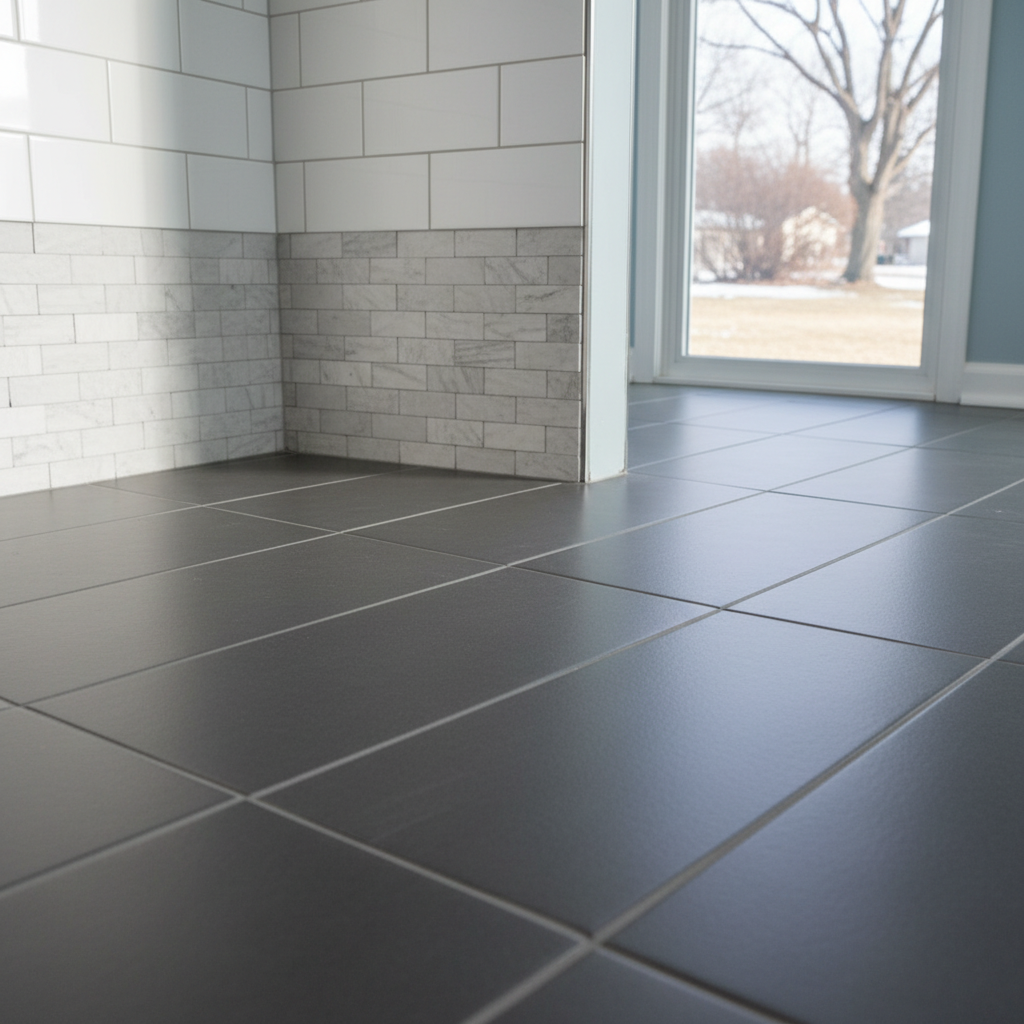
So, you're looking at that old linoleum or the worn-out carpet, maybe even dreaming of something totally new underfoot. Perhaps it’s a sleek new tile floor in the bathroom, or some tough LVP in the kitchen. It’s a big project, no doubt about it, and a lot of folks in Rockford ask themselves, "Can I really do this myself, or am I just setting myself up for a headache?"
Before You Even Buy a Single Tile
Planning is absolutely crucial, especially when it comes to flooring. You wouldn't just start ripping out your old floor without a solid plan, would you? First off, nail down your budget. This isn't just for the materials; think about tools, all the prep work, and maybe even a pro if you hit a snag. Next, consider how you actually use the room. A bathroom, for instance, obviously needs waterproof materials. A busy hallway? That needs something super durable. Don't skimp on the wrong material; you'll definitely pay for it later.
You also need to think about your subfloor. This part is critical. If your subfloor isn't solid, level, and clean, your brand new flooring simply won't last. For tile, especially, a firm, non-bouncy subfloor isn't just a good idea, it's a must-have. I've seen so many tile jobs go south because people ignored a springy subfloor. If you live in an older Rockford home, maybe in the Edgewood or Churchill's Grove areas, you might find some charming quirks in your subfloors. So, expect to spend some real time on prep work, things like leveling compounds or shoring up joists. It's not the most exciting part of the job, sure, but it’s probably the most important.
Measure twice, order once. And then, seriously, add an extra 10-15% for waste, all those cuts, and any future repairs. Believe me, you'll thank yourself when you inevitably break a tile or make a bad cut. Returning a few extra boxes is way, way better than waiting weeks for just one more box to finally finish the job.
What You Can Probably DIY
A lot of flooring tasks are totally within reach for the average homeowner, especially if you've got some patience and the right tools. Here’s where you can likely save some cash:
- Demolition: Tearing out old carpet, vinyl, or even some laminate is usually pretty straightforward. Just watch out for dust and make sure you've got the right pry bars and scrapers.
- Subfloor Prep (Basic): Cleaning, sweeping, and maybe even some minor patching or leveling with a self-leveling compound? A determined DIYer can handle that.
- Laminate or Luxury Vinyl Plank (LVP/LVT): These click-and-lock systems were practically designed for DIY installation. They're forgiving, pretty easy to cut, and don't need specialized adhesives or grout.
- Painting or Sealing Subfloors: If your project calls for this, it’s typically just a brush-and-roller job.
Always watch a few good tutorials. Not the quick, flashy ones, mind you, but the detailed ones that show you the common mistakes and, crucially, how to fix them. YouTube is your best friend here, but make sure you're watching pros, not just enthusiastic amateurs.
When to Call a Pro (Seriously)
Look, I'm all for saving money, but there are definitely times when trying to DIY a flooring project will actually cost you more in the long run. Here’s when you should absolutely pick up the phone and call someone like us at Apex Bathroom Solutions:
- Tile Installation (Especially Large Format or Complex Patterns): Laying tile, particularly in a bathroom or kitchen, is both an art and a science. Getting the layout just right, making sure you have proper mortar coverage, consistent grout lines, and perfectly level surfaces takes real skill and specialized tools. If you've got a shower pan to build or a tricky niche, don't even think about it unless you have serious experience.
- Extensive Subfloor Repair or Replacement: If you're dealing with rotten wood, major leveling problems, or structural concerns, that’s way beyond DIY. You need someone who understands framing and structural integrity.
- Radiant Floor Heating: Installing this under your tile or other flooring is a fantastic upgrade, no doubt, but it's not a DIY job. It involves electrical work and precise placement that affects your entire heating system.
- Hardwood Refinishing or Complex Hardwood Installation: Sanding, staining, and sealing hardwood floors to a truly professional finish is incredibly difficult. And installing intricate patterns or dealing with problematic subfloors for hardwood? Best to leave that to specialists.
- Waterproofing: For showers or wet rooms, proper waterproofing is absolutely critical. A tiny mistake here can lead to massive water damage and mold issues down the road. This is one area where you simply cannot cut corners.
Here’s a good rule of thumb: if you're feeling overwhelmed before you even start, or if the consequences of a mistake are high (like, say, water damage), call a pro. We do this every single day. We've got the tools, the experience, and we know how to handle the unexpected, like finding hidden plumbing issues when we pull up an old floor.
After the Installation
Whether you did it yourself or hired us, the job isn't truly over when the last piece is down. For tile, you'll need to let the grout cure properly before heavy use. For LVP or laminate, give it a day or two to settle before moving heavy furniture. Always read the manufacturer's care instructions for your specific flooring. Different materials need different cleaning products and methods, you know? You really don't want to ruin your beautiful new floor with the wrong cleaner.
Keep those extra pieces of flooring you bought. They're invaluable for future repairs. Accidents happen, and having a matching piece on hand can save you a lot of headache down the line.
Flooring can totally transform a room. Just make sure you're making smart choices every step of the way, so you get a result you'll love for years, not one you'll regret.