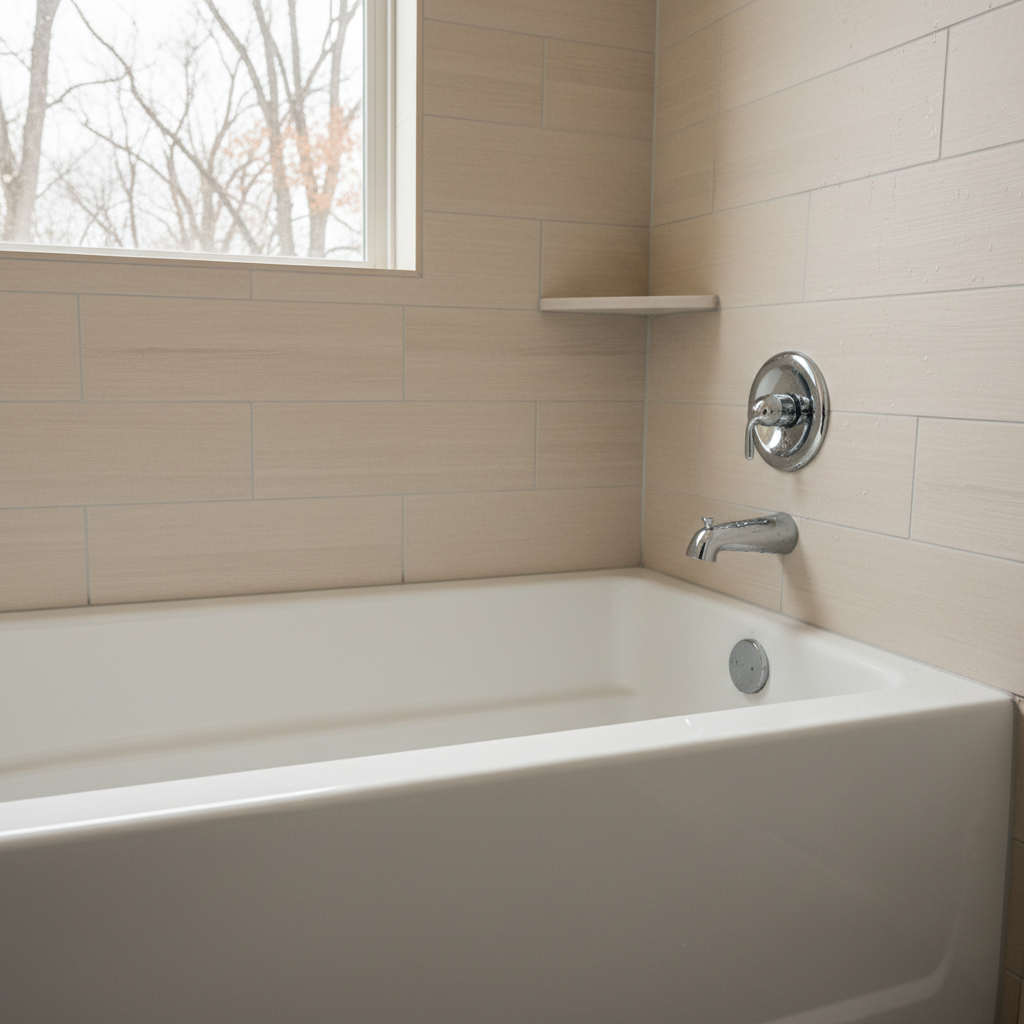
Thinking About a New Tub?
So, you're eyeing that old, chipped, or just plain ugly bathtub and dreaming of something new. Good for you! A fresh tub can really change the whole feel of your bathroom. But before you dive headfirst into demolition, let's break down what you're really getting into with a bathtub replacement here in Rockford. I've seen a lot of these projects, and trust me, knowing what to expect can save you a ton of headaches and cash.
Before You Start: The Planning Stage
This is where you can do a lot of the heavy lifting yourself, and it's crucial. Don't skip this part.
What kind of tub do you want? This isn't just about color. Are you going for a standard alcove tub, a freestanding soaker, a jetted tub, or a walk-in? Each has different plumbing and structural requirements. A standard alcove tub is usually the most straightforward replacement.
Measure, measure, measure. Seriously, measure your existing tub's length, width, and depth. Then measure your bathroom door and any hallways. You'd be amazed how many people buy a beautiful new tub only to find it won't fit through the bathroom door. I've seen it happen more times than I can count, especially in some of those older bungalows around the Churchill's Grove area with their narrower doorways.
Check your subfloor. This is a big one. An old cast iron tub weighs a ton. If you're replacing it with another heavy tub, or if your floor feels a little bouncy, you might need to reinforce the subfloor. Pull back some flooring if you can, or check from the basement/crawl space. Water damage around an old tub can also weaken the subfloor, so look for soft spots.
Budget it out. Tubs themselves range from a few hundred bucks to several thousand. Then factor in demolition, disposal, new plumbing parts, wall surrounds (tile, acrylic, etc.), and labor if you hire someone. Be realistic.
Permits? For a simple like-for-like tub swap, you might not need one, but if you're moving plumbing lines, changing the footprint, or doing major structural work, you probably will. Check with the City of Rockford Building Department. Better safe than sorry.
During the Project: Where DIY Ends and Pro Begins
Okay, so you've planned everything out. Now for the actual work. Here's what you can realistically do yourself and when you absolutely should call in a pro.
DIY Tasks (If You're Handy)
Demolition: If you're replacing an old fiberglass or acrylic tub, you can probably handle the demo. They're usually lighter and easier to cut up. Just make sure the water's off, drain is disconnected, and you've got good ventilation. A cast iron tub? That's a whole different beast. They're incredibly heavy and often need to be broken into pieces with a sledgehammer, which is a lot of work and can be dangerous.
Prepping the area: Once the old tub is out, you can clean up the area, repair any minor wall damage, and make sure the subfloor is clean and level. Some folks even tackle installing a new cement board or moisture-resistant drywall themselves.
When to Call a Pro (Seriously, Don't Skimp Here)
Plumbing: This is where most DIYers get into trouble. Connecting the drain, overflow, and faucet lines correctly is critical. A leaky drain or a poorly installed faucet can lead to major water damage, and that's way more expensive to fix than hiring a plumber upfront. If you're not 100% confident in your plumbing skills, call a licensed plumber. It's not worth the risk, especially with our freeze-thaw cycles here in northern Illinois stressing pipes.
Heavy Lifting & Installation: A new cast iron or solid surface tub is HEAVY. You'll need help, and sometimes specialized equipment, to get it in place without damaging the tub, your house, or yourselves. Proper leveling and securing of the tub are also essential for its longevity and to prevent future issues.
Tile Work: If you're tiling around the tub, and you want it to look good and last, consider a professional tile setter. Proper waterproofing, consistent grout lines, and dealing with tricky cuts are skills that take practice. A bad tile job will stick out like a sore thumb.
Major Structural Changes: If your subfloor needs significant reinforcement, or if you're moving walls, that's definitely pro territory. You don't want to compromise the structural integrity of your home.
At Apex Bathroom Solutions, we handle everything from start to finish, so you don't have to worry about any of these tricky bits. We've got the tools and the know-how to get it done right.
After the Project: Enjoying Your New Tub
Once the new tub is in and everything's sealed up, resist the urge to use it immediately. Give any sealants, grouts, or adhesives the full curing time recommended by the manufacturer. This is usually 24-72 hours. Rushing it can compromise the seal and lead to leaks down the road.
Keep an eye out for any drips or leaks around the faucet or drain connections for the first few days. If you spot anything, address it right away. A small drip can become a big problem fast.
Clean your new tub regularly with non-abrasive cleaners to keep it looking great. Different tub materials have different cleaning requirements, so check the manufacturer's recommendations.
Replacing a bathtub is a big project, but with good planning and knowing when to bring in the experts, you can absolutely get the bathroom of your dreams. Don't hesitate to reach out if you've got questions or need a hand with your Rockford home's bathroom remodel.