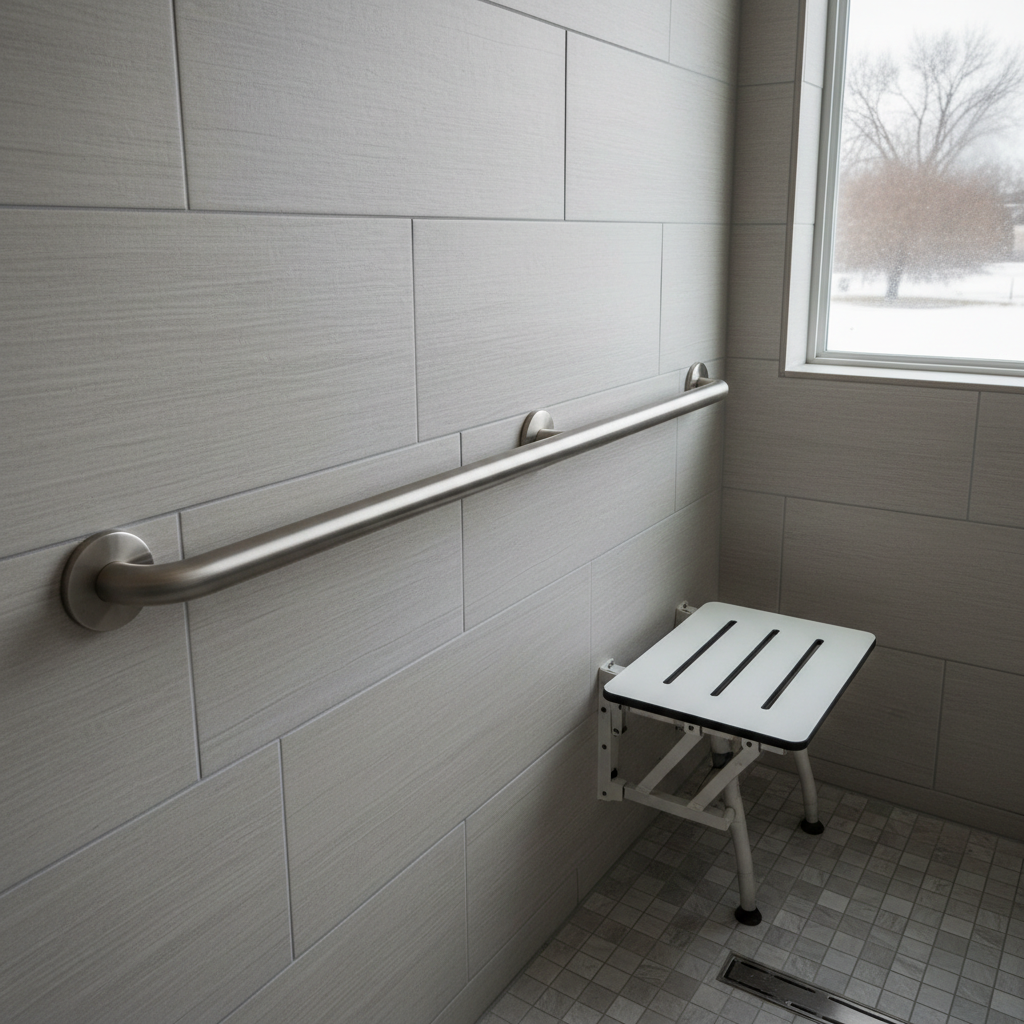
So, you're thinking about making your bathroom more accessible, right? Good call. Whether it's for an aging parent, a family member with a disability, or you're just planning for your own future, it's a smart move. This isn't just about meeting some rules; it's about comfort, safety, and independence, all right there in your own home. Let's dig into what you need to consider before, during, and after a project like this.
Before You Even Pick Up a Hammer
First things first, you've got to figure out what 'accessible' actually means for your specific situation. It's definitely not a one-size-fits-all kind of deal. Are we talking about someone using a walker, a standard wheelchair, or maybe a power chair? The space requirements can change pretty dramatically depending on that. Grab a tape measure and really look at your current bathroom. Can a wheelchair even make it through the doorway? Most standard interior doors are 28-30 inches wide, but you really need at least 32 inches clear for a wheelchair, preferably 34-36. That might mean widening a doorway, which is absolutely a job for a pro, since it involves structural stuff.
Think about the layout too. Can someone actually turn around in there? The ADA guidelines suggest a 60-inch turning radius for a wheelchair. Now, I know not every bathroom in, say, an older bungalow in the Edgewater neighborhood is going to have that kind of space, but it's a good target to shoot for, isn't it? Sometimes you can get there by moving a vanity or even swapping out a traditional tub for a walk-in shower. And don't forget the toilet area; you'll need space on at least one side for someone to transfer.
What You Can Probably Tackle Yourself
Alright, let's chat about DIY. There are definitely things you can do to improve accessibility without calling in a whole crew. These are usually the simpler, less invasive changes:
- Grab Bars: This is probably the most common and impactful DIY project. You can put these around the toilet and in the shower/tub area. Just make sure you're screwing them into studs, not just drywall. A stud finder will be your best friend here. Don't skimp on cheap ones, either; you want something sturdy that can hold real weight.
- Raised Toilet Seats: You can pick these up at most home improvement or medical supply stores. They just fit right over your existing toilet. Super easy.
- Non-Slip Mats or Coatings: The last thing anyone wants is a slip and fall. Get some good non-slip mats for the shower or tub, or look into non-slip coatings you can put on yourself.
- Lever Faucets: Swapping out those old knob-style faucets for lever handles is a simple upgrade that really helps anyone with limited hand dexterity. Usually just takes a wrench and some basic plumbing know-how.
- Adjustable Shower Heads: A handheld shower head on a slide bar can totally change the game for seated showering. It's usually a pretty straightforward swap from your current shower head.
When It's Time to Call in the Pros (Like Us at Apex Bathroom Solutions)
Now, for the bigger stuff, you really need to bring in someone who knows what they're doing. These are the changes that involve plumbing, electrical, structural work, or specialized installations:
- Roll-in Showers: This is a big one. Removing a tub and building a curbless, roll-in shower needs proper waterproofing, correctly sloping the floor for drainage, and often moving plumbing. If it's not done right, you're looking at leaks and major headaches down the road.
- Widening Doorways: As I mentioned, if you're cutting into a wall, especially a load-bearing one, you need a professional. They'll know all about headers and structural integrity.
- Lowering Sinks/Vanities: If you need a vanity that's wheelchair accessible, it often means custom cabinetry or specific wall-mounted sinks. You also need to make sure the plumbing underneath is set up to allow knee clearance.
- Moving Toilets/Plumbing: Re-routing drain lines and water supply isn't a DIY job for most homeowners. It's complex and requires a good understanding of codes.
- Specialized Lifts or Elevators: If you're going all out, say for a tub lift or a ceiling-mounted patient lift, these are highly specialized installations that absolutely demand expert hands for safety and functionality.
- Electrical Work: Adding new outlets, moving light switches to a lower, accessible height, or installing heated floors means dealing with wiring. Always hire a licensed electrician for this.
After the Project's Done
Once the dust settles, take some time to really test everything out. If it's for someone specific, have them try using the space. Are the grab bars in the right spot for their reach? Is the shower control easy to operate? Sometimes small adjustments can still be made. Keep an eye on drainage in new showers, especially roll-ins, to make sure water isn't pooling. And remember, regular cleaning and maintenance will keep everything functioning safely for years to come.
Making your home more accessible is an investment, not just in your property, but in the quality of life for those who use it. It's about creating a space that works for everyone, comfortably and safely. Don't hesitate to reach out if you've got questions about your specific situation here in Rockford; we're always happy to talk through options.